
In brief
- Patois took shape on the sugar estates after England captured Jamaica in 1655.
- Most of its words come from English, reshaped in sound and meaning. Others come from West African languages, and a few from the Taíno and the Spanish.
- A writing system created by the linguist Frederic Cassidy, later updated at the University of the West Indies, was used for the New Testament in Jamaican published in 2012.
Jamaican Patois is the everyday language of Jamaica. Linguists call it Jamaican Creole, and many speakers simply call it Jamaican or Patwa. It grew up on the island’s plantations after 1655, when enslaved Africans built a new language out of the English around them and the languages they brought with them.
Before the English
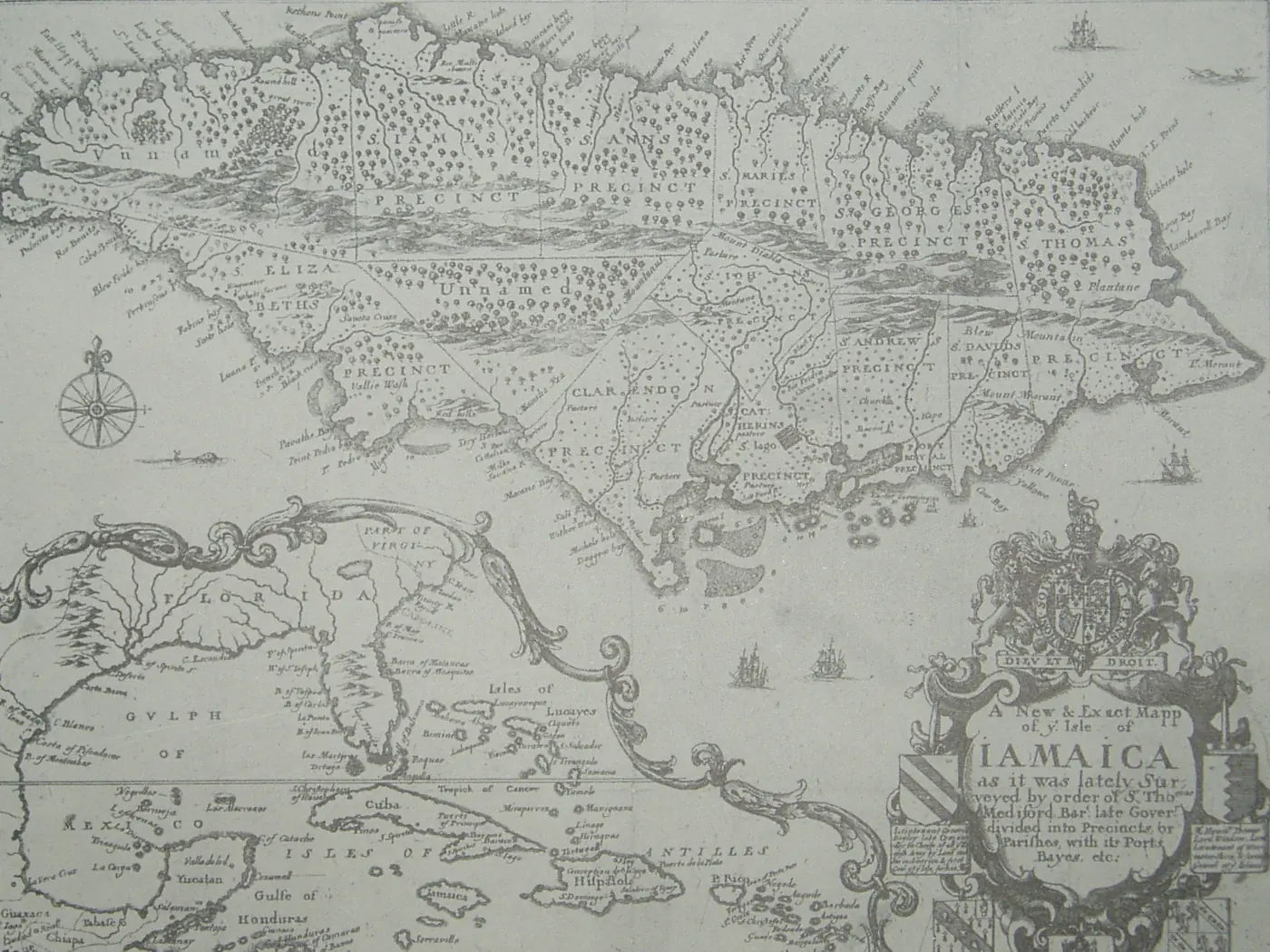
The first people of the island were the Taíno, who came from South America about 2,500 years ago and called it Xaymaca, the land of wood and water1. Christopher Columbus landed on May 5, 1494, and the first Spanish colonists arrived in 15091. The modern name Jamaica comes from the Taíno one.
The Spanish left a few words behind. Maroons, the name for the free African communities in the hills and their descendants, comes from the Spanish cimarrón. Brawta, the little extra a seller throws in, is traced to Spanish barata.
The plantation years
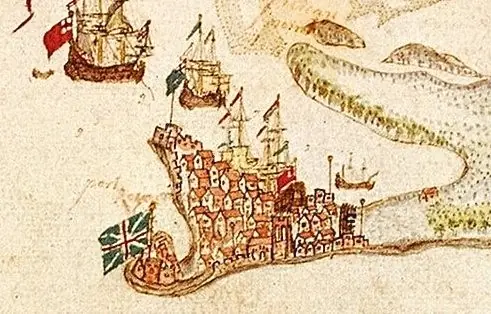
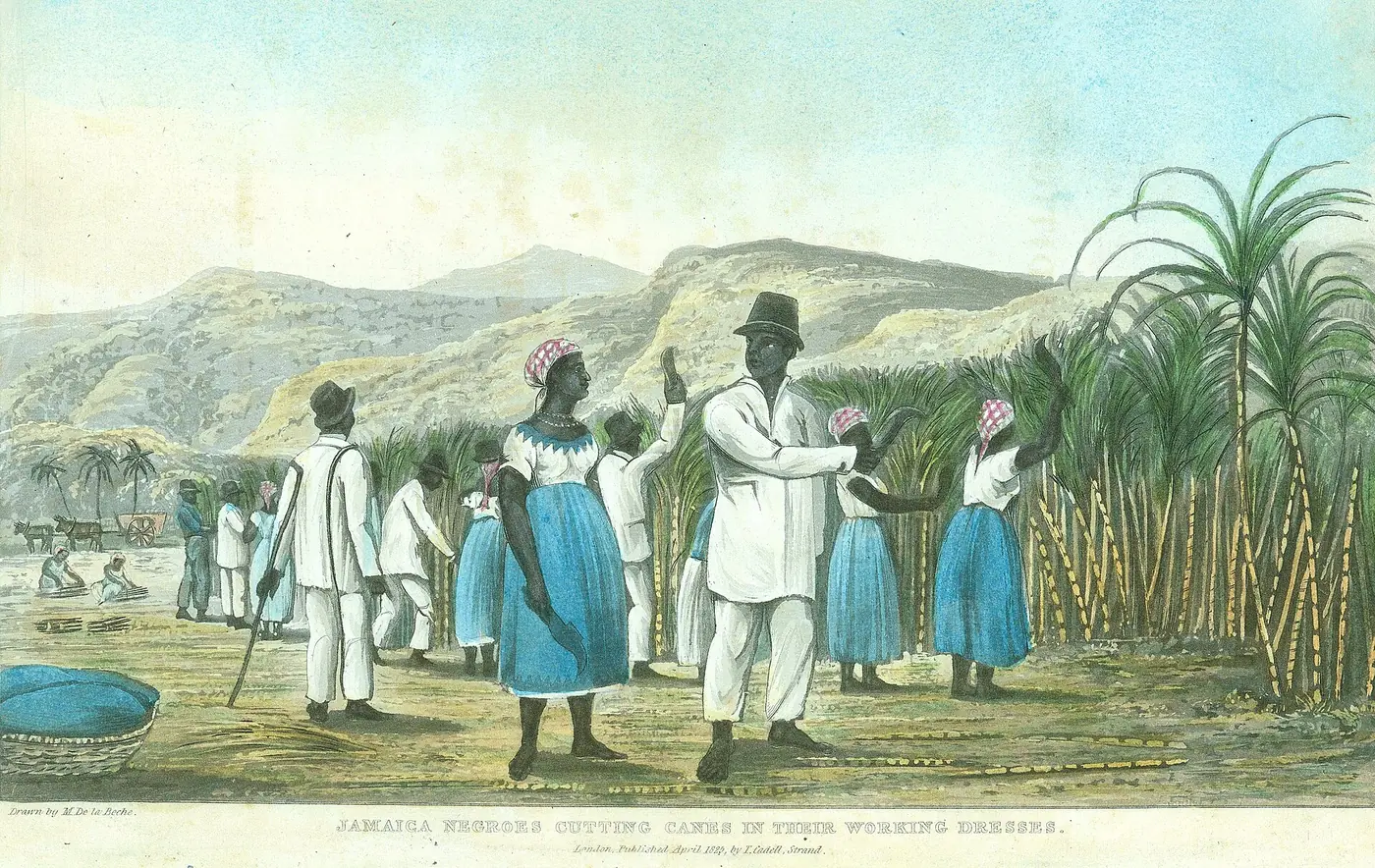
On May 10, 1655, an English force under Admiral William Penn and General Robert Venables took Jamaica1. Sugar estates followed, and enslaved Africans were brought in to provide the large labour force they needed1. Out of their own languages and the English of the estates, a new language formed.

Researchers at the University of the West Indies have studied the African words that entered Jamaican during the plantation era, which they date from 1655 to 18383. Some are still in daily use:
- Ackee, the national fruit, takes its name from Twi, a language of Ghana2.
- Unu, meaning “you” when speaking to more than one person, is traced to Igbo.
- Nyam, to eat, is traced to West African languages such as Wolof or Fula.
- Backra, an old word for a white master or the white ruling class, is traced to Efik or Ibibio.
- Duppy, a ghost, and Anansi, the spider trickster from Akan folklore, came with the stories people told.
Each of these entries sets out what is known of the word’s origin and how sure that is. Full freedom came in 1838, after emancipation and four years of apprenticeship1.

English underneath, changed on top
Most Patois words come from English, but they have been reshaped. Bickle, food, is worn down from “victuals”. Deh comes from “there” and now says where something is. Im comes from “him” but covers both he and she. Dem comes from “them” and also marks a plural: “di pickney dem” means the children.
So an English speaker can recognise many of the words and still miss the meaning, because the grammar works differently. That is why linguists treat Patois as a language of its own, with its own alphabet and grammar, rather than broken English6.
From the yard to the page
Louise Bennett-Coverley, known as Miss Lou, was a poet, social commentator and advocate who wrote and spoke for the language. When the government marked her 100th birthday in 2019, the Minister of Culture called her the “chief exponent and proponent of the Jamaican language”4. The ministry also asked the University of the West Indies to use the centenary to start a national dialogue on the status of Jamaican Patois4.
Writing it down needed a spelling system. The linguist Frederic Cassidy created one, and the Jamaican Language Unit at the University of the West Indies later updated it. The university runs workshops teaching people to read and write Jamaican the “Cassidy JLU way”6.
The New Testament in Jamaican uses that system. It took four years of work, is written in the Cassidy-JLU system based on Cassidy’s 1961 method, and its launch was set for December 9, 2012, at Bethel Baptist Church in Half-Way-Tree5.
How to spell it today
Outside that system, there is no single agreed spelling. “Wagwan”, “wah gwaan” and “whagwan” are all the same greeting. This dictionary lists each word under one common spelling and sends the other spellings to it, so the way you know a word will still find it.
To go further, browse the culture and history words and the grammar words, or read about the proverbs that carry the old wisdom of the language.
Timeline
- May 5, 1494 Christopher Columbus lands in Jamaica, home of the Taíno, who called it Xaymaca 1
- 1509 The first Spanish colonists arrive 1
- May 10, 1655 An English force under Admiral William Penn and General Robert Venables takes Jamaica 1
- 1838 Full freedom for the enslaved, after emancipation and apprenticeship began in 1834 1
- 1961 Frederic Cassidy sets out a method for writing Jamaican 5
- December 9, 2012 Launch date set for the New Testament in Jamaican, at Bethel Baptist Church, Half-Way-Tree 5
- September 7, 2019 Centenary of Louise Bennett-Coverley, "Miss Lou", marked by the Ministry of Culture 4
Common questions
-
Is Jamaican Patois a language or a dialect?
Linguists treat it as a language of its own, a creole, and call it Jamaican Creole or simply Jamaican. Its words come mostly from English, but its sounds and grammar follow their own rules.
-
Where does the word "patois" come from?
From French "patois", a word for a regional or non-standard way of speaking. Jamaicans often spell it the way they say it, "Patwa".
-
Is there an official way to spell Patois?
There is a standard writing system, the Cassidy-JLU system, taught at the University of the West Indies and used for the 2012 New Testament in Jamaican. Most people still spell words the way they sound to them, so the same word can be written several ways.
Sources
- The History of Jamaica Jamaica Information Service
- Jamaican National Fruit, Ackee Jamaica Information Service
- The African Lexis in Jamaican Creole and Its Historical Significance Max Planck Institute for Evolutionary Anthropology
- Jamaica to celebrate centenary of Miss Lou Ministry of Culture, Gender, Entertainment and Sport
- Patois Bible translation authentic, says Devonish Jamaica Observer
- How to read and write Jamaican the Cassidy JLU way Department of Language, Linguistics and Philosophy, The University of the West Indies, Mona