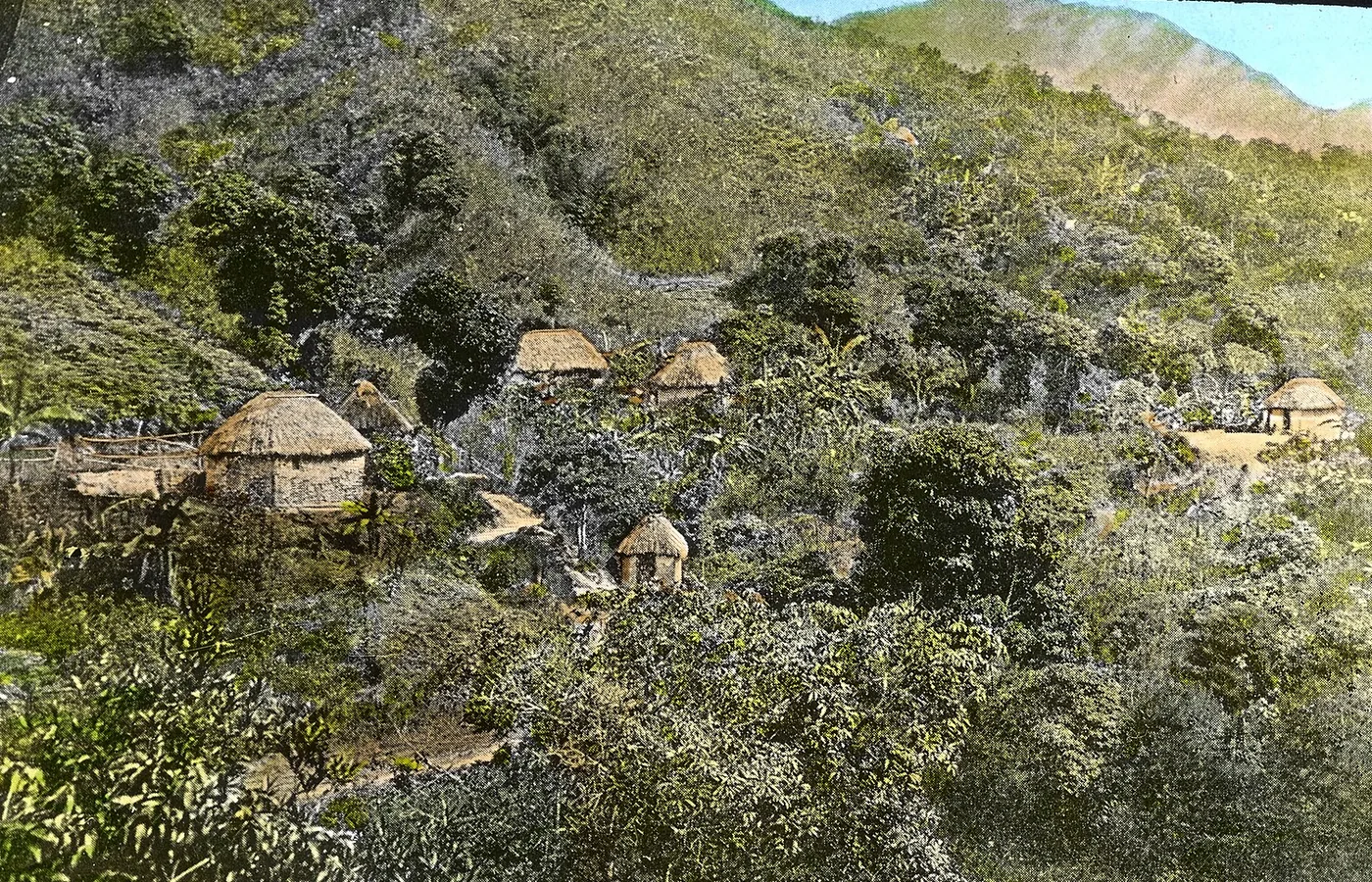

In brief
- The Maroons are descended from Africans who escaped slavery and built free settlements in Jamaica's mountains, where they fought the British for decades.
- The western Maroons under Cudjoe made peace with the English in 1738, and the treaty was signed in 1739. Nanny of the Maroons signed a separate treaty in 1746.
- Accompong in St Elizabeth was founded in 1739 on land given under the treaty, and its Maroons celebrate every January 6.
- The Maroon heritage of Moore Town, in the Blue and John Crow Mountains, is on UNESCO's list of the world's intangible cultural heritage.
The Maroons of Jamaica are descended from Africans who escaped slavery and made free communities in the mountains. UNESCO describes the people of Moore Town as descendants of independent communities of former runaway slaves known as Maroons, and gives the origin of the word: the Spanish cimarrón, meaning wild3. The National Library of Jamaica traces the Maroons to the Gold Coast of Africa1.
Maroons in the east and west
There were two main groups. In the east, Maroons settled in the Blue Mountains in Portland and were joined by people who ran away from slavery in St Thomas and other parishes, forming the Windward Maroons1. In the west, the Maroons were led by Cudjoe, whom the Jamaica Information Service calls the most powerful and important Maroon leader of the 18th century4.
The Maroons fought the colonial government for decades. In Portland alone, historians record that the Assembly spent nearly £250,000 over 76 years trying to defeat them1. The eastern Maroons, led by Qua, were said to have a fighting force of only 300 men1.
Nanny of the Maroons
Nanny Town, in Portland, was the home of Nanny of the Maroons, a celebrated Maroon leader of Ashanti origin and the only woman among Jamaica’s National Heroes1. It was built between the Rio Grande and the Back River, which made it hard for soldiers to reach when the rivers were high1. Accounts of her death differ: one story says she was killed by a man called Cuffee, but the Maroons said she died in the 1750s1.
The peace treaties
In March 1738 the western Maroons under Cudjoe made peace with the English, and the National Library dates the signing of the treaty to June 17391. The Jamaica National Heritage Trust gives 1739 as the year Accompong was founded, when land was given to the Maroons as part of the treaty2.
Nanny did not agree, because the Portland Maroons had not been defeated in war1. In 1746 she signed a separate treaty with the English and received 500 acres of land, which is believed to be the site of today’s Moore Town1.
Accompong and the January 6 celebration
Accompong is a Maroon town in St Elizabeth, named after Accompong, a brother of Cudjoe2. Traditional ceremonies are held there every January 6 to mark the treaty and the founding of the town2. The Jamaica Information Service describes the day as the anniversary of Cudjoe’s birth, kept with traditional dances, music, rituals, a feast, speeches and the blowing of the abeng4.
Moore Town and Maroon heritage
Moore Town, once called New Nanny Town, is governed by a Colonel, a Maroon who holds the honorary title of his ancestors1. It sits in the highlands of eastern Jamaica, in the Blue and John Crow Mountains3.
In 2008 UNESCO inscribed the Maroon heritage of Moore Town on its Representative List of the Intangible Cultural Heritage of Humanity3. The listing describes the community’s land held in common as “treaty lands”, its own political structure, the abeng, a side-blown horn used to talk over long distances, and Kromanti Play, ceremonies of dance, song and drumming in a language of African origin also called Kromanti3. UNESCO notes that missionary opposition pushed parts of the tradition underground, and that hardship has led many Maroons to move away3.
Timeline
- March 1738 The western Maroons under Cudjoe make peace with the English 1
- June 1739 The treaty is signed 1
- 1739 Accompong is founded on land given under the peace treaty 2
- 1746 Nanny signs a separate treaty and receives 500 acres of land 1
- 2008 Maroon heritage of Moore Town inscribed on UNESCO's intangible heritage list 3
Common questions
-
Who are the Jamaican Maroons?
They are descendants of Africans who escaped slavery and set up free communities in Jamaica's mountains. They fought the British until peace treaties in the 1730s and 1740s, and Maroon towns such as Accompong and Moore Town still exist.
-
Where does the word maroon come from?
From the Spanish cimarrón, meaning wild.
-
What happens in Accompong on January 6?
The Accompong Maroons hold their yearly celebration, with traditional dances, music, rituals, a feast, speeches and the blowing of the abeng. It marks the birth of Cudjoe and the peace treaty with the British.
-
What is an abeng?
A side-blown horn that Maroons use to send messages over long distances.
Sources
- History of Portland National Library of Jamaica
- Accompong Jamaica National Heritage Trust
- Maroon heritage of Moore Town UNESCO Intangible Cultural Heritage
- Accompong Maroons Continue Traditional Celebrations Jamaica Information Service