
In brief
- August 1, 1834 is counted as the day enslaved Africans in the British colonies were freed, but most were made to serve as apprentices and full freedom came four years later, in 1838.
- Emancipation Day became a public holiday in 1893, was dropped in 1962 in favour of Independence Day, and was restored in 1997.
- The night before, a vigil at Seville Heritage Park in St Ann runs until morning, with the Emancipation Proclamation read at midnight.
Emancipation Day falls on August 1. The National Library of Jamaica says August 1, 1834 is considered the day Africans in the British colonies received their freedom1. Jamaicans also call the day Augus Mawnin, August Morning3.
Freedom in 1834, full freedom in 1838
Freedom in 1834 came with a catch. Children under six were freed2, but everyone older was made to serve a period of apprenticeship1. Apprentices worked without pay for three quarters of the week in return for lodging, food, clothing, medical care and provision grounds, and could earn wages in the rest of their time to buy their freedom1.
The National Library describes apprenticeship as a failure marked by abuses, including longer working hours and harsh punishment2. Full freedom came four years later1, and the Emancipation Proclamation set August 1, 1838 as a day of general thanksgiving in every church and chapel2.
Emancipation Day as a holiday
Emancipation Day became a public holiday in Jamaica in 18931. When Jamaica became independent in 1962, the First of August celebrations were dropped and replaced by Independence Day1. In 1997 Prime Minister P. J. Patterson restored Emancipation Day as a national holiday on August 11.
Now the two holidays sit side by side. The season of Emancipation and Independence runs from the Emancipation Day events into the Independence Day celebrations on August 65.
The vigil at Seville
The Jamaica National Heritage Trust calls the Emancipation Jubilee at Seville Heritage Park in St Ann a major national celebration, held in honour of African ancestors4. The vigil begins at 8 pm on July 31 and runs until 6 am on Emancipation Day3. At midnight the Emancipation Proclamation is read, marking the moment of freedom, which the Heritage Trust calls the emotional and symbolic high point of the night3.
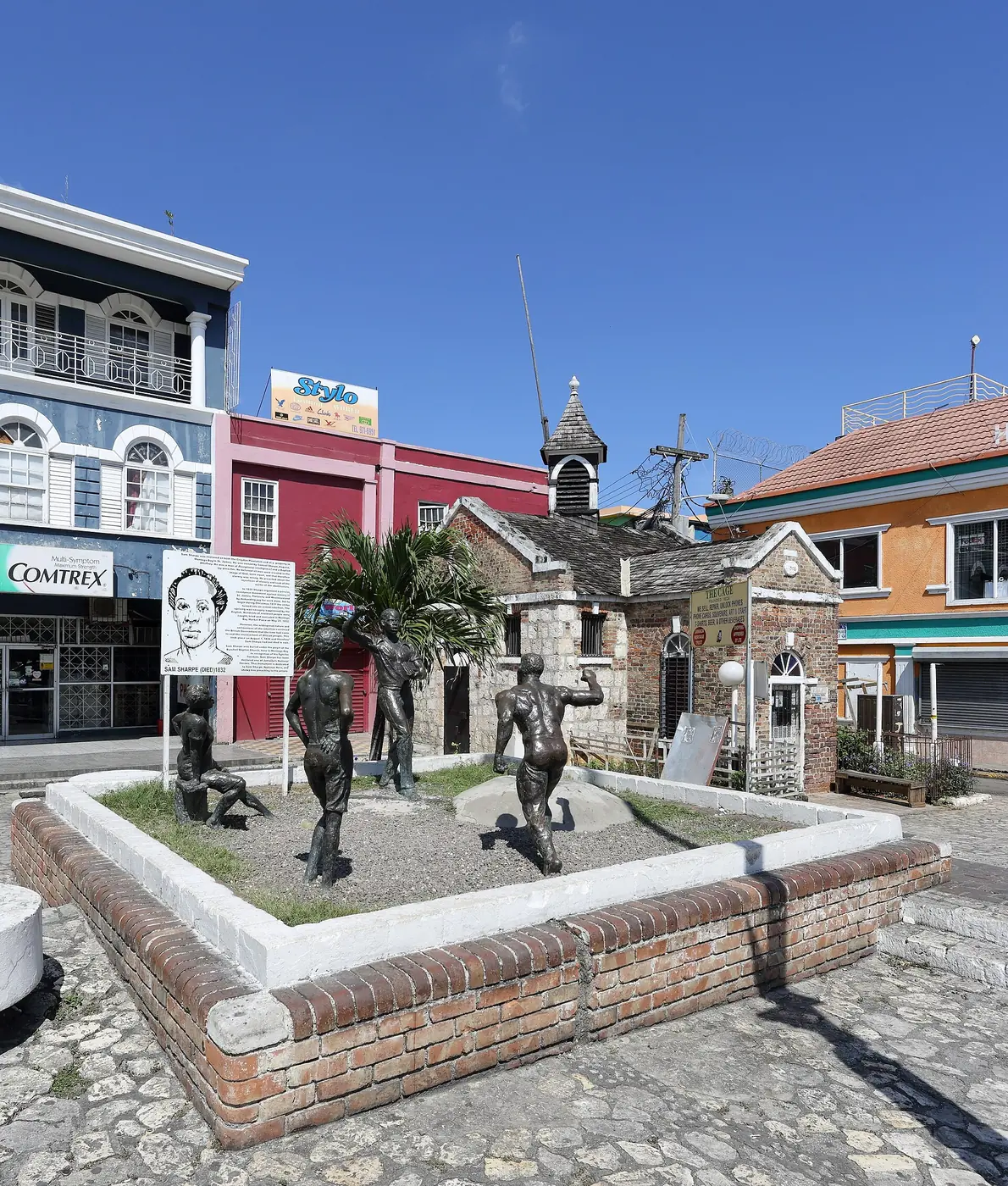
The night has drumming, music, dance, fashion and traditional food, along with Kumina and other traditional rituals, and gospel and reggae artistes perform from midnight until morning4. The 2025 Jubilee, held on July 31 at Seville, took the theme “Be Proud, Be Bold in Black, Green, and Gold”5. In 2025 there was also an Emancipation vigil at Sam Sharpe Square in Montego Bay5, named after Samuel Sharpe.

Timeline
Common questions
-
When did slavery end in Jamaica?
August 1, 1834 is counted as the day of freedom in the British colonies, but enslaved people over six had to serve as apprentices, and full freedom came four years later, on August 1, 1838.
-
Is Emancipation Day a public holiday in Jamaica?
Yes. It became a holiday in 1893, was replaced by Independence Day in 1962, and was restored as a national holiday on August 1 in 1997.
-
What is Augus Mawnin?
Augus Mawnin, August Morning, is a common Jamaican name for Emancipation Day, August 1.
-
What happens at the Emancipation Jubilee?
A vigil at Seville Heritage Park in St Ann runs from 8 pm on July 31 until 6 am on August 1, and the Emancipation Proclamation is read at midnight.
Sources
- Emancipation National Library of Jamaica
- History Notes: Information on Jamaica's Culture and Heritage (Emancipation Proclamation) National Library of Jamaica
- Seville Emancipation Jubilee Tickets Available From July 20 Jamaica Information Service
- Emancipation Jubilee at Seville July 31 Jamaica Information Service
- Emancipendence 2025 Jamaica Information Service