Understand Jamaica
Government & Leaders
History & Society
-
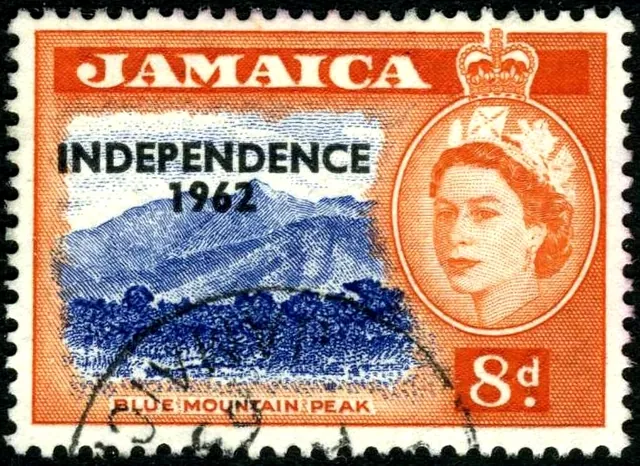 Independence Day Jamaica became independent on August 6, 1962. What happened that night at the National Stadium, the steps that led to it, what the flag means, and how Jamaicans celebrate today.
-
 Emancipation Day Why Jamaica marks August 1 as Emancipation Day, from the 1834 freedom date and apprenticeship to full freedom in 1838, and how the day is kept with the vigil at Seville.
-
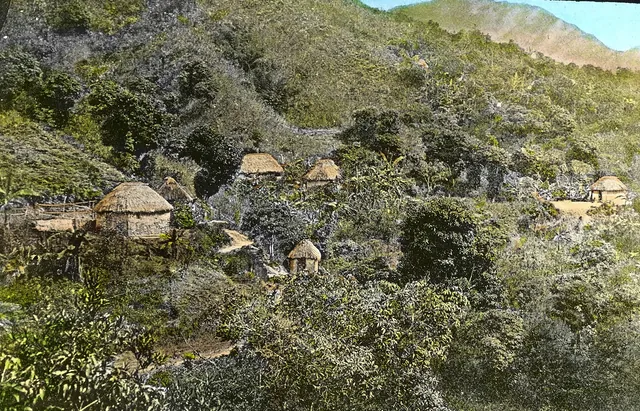 The Maroons Who the Jamaican Maroons are, how they fought the British to peace treaties in the 1730s, and the Maroon towns of Accompong and Moore Town today.
National Heroes
-
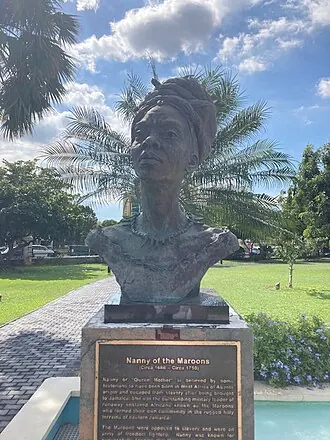 Nanny of the Maroons The leader of the Windward Maroons in the early 1700s, remembered for the guerrilla war against the British, and one of Jamaica's seven National Heroes.
-
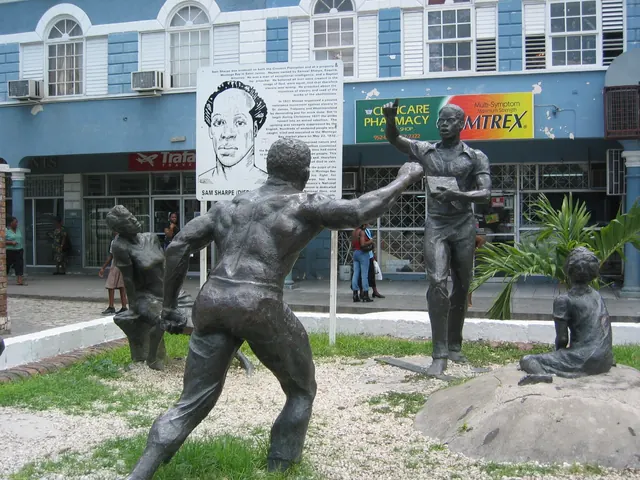 Sam Sharpe The Baptist leader in St James who planned the 1831 strike that grew into a rebellion across Jamaica's western parishes. He was hanged in 1832 and is now a National Hero.
-
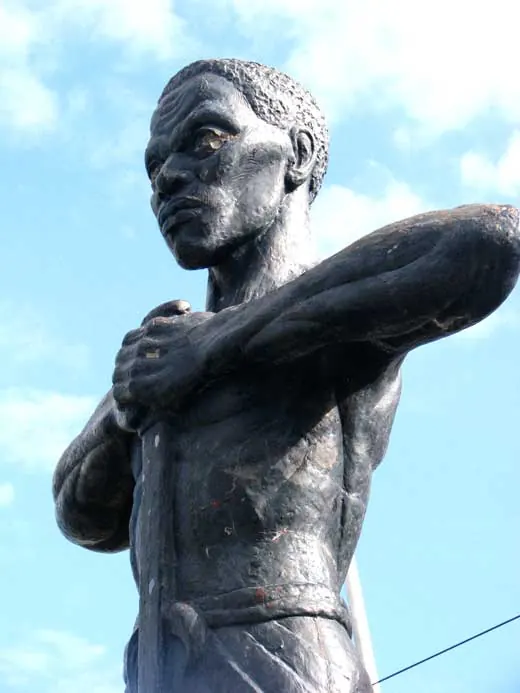 Paul Bogle The Baptist deacon from Stony Gut, St Thomas, who led the 1865 march on the Morant Bay courthouse, was hanged that October, and is one of Jamaica's seven National Heroes.
Places & Landmarks
-
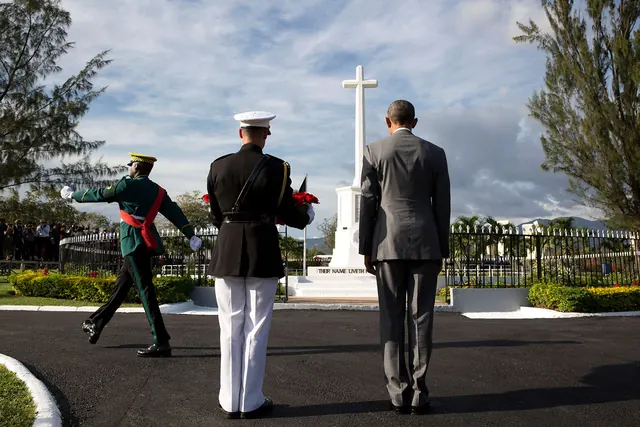 National Heroes Park Kingston's 74-acre park at National Heroes Circle, once the city racecourse, where the National Heroes are honoured at the Shrine and many national figures are buried.
-
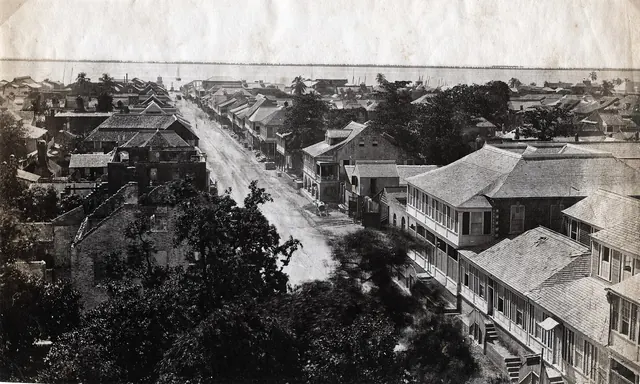 Liberty Hall The downtown Kingston hall Marcus Garvey's movement bought in 1923, now a museum and research library on Garvey and the Universal Negro Improvement Association.
-
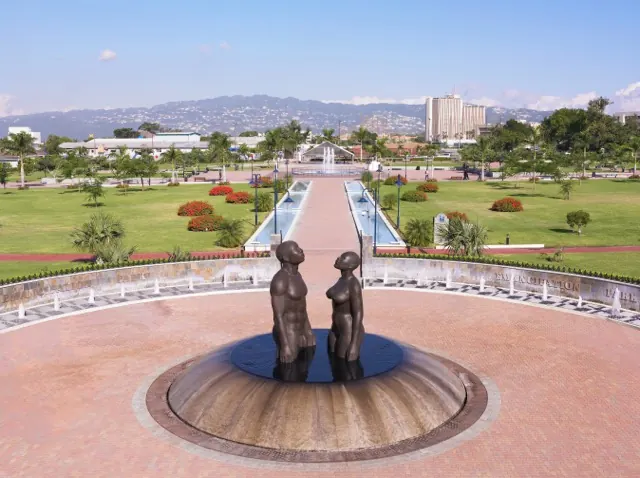 Emancipation Park The park at Oxford Road and Knutsford Boulevard in New Kingston, named for the end of slavery, home of the Redemption Song statue and busts of the seven National Heroes.