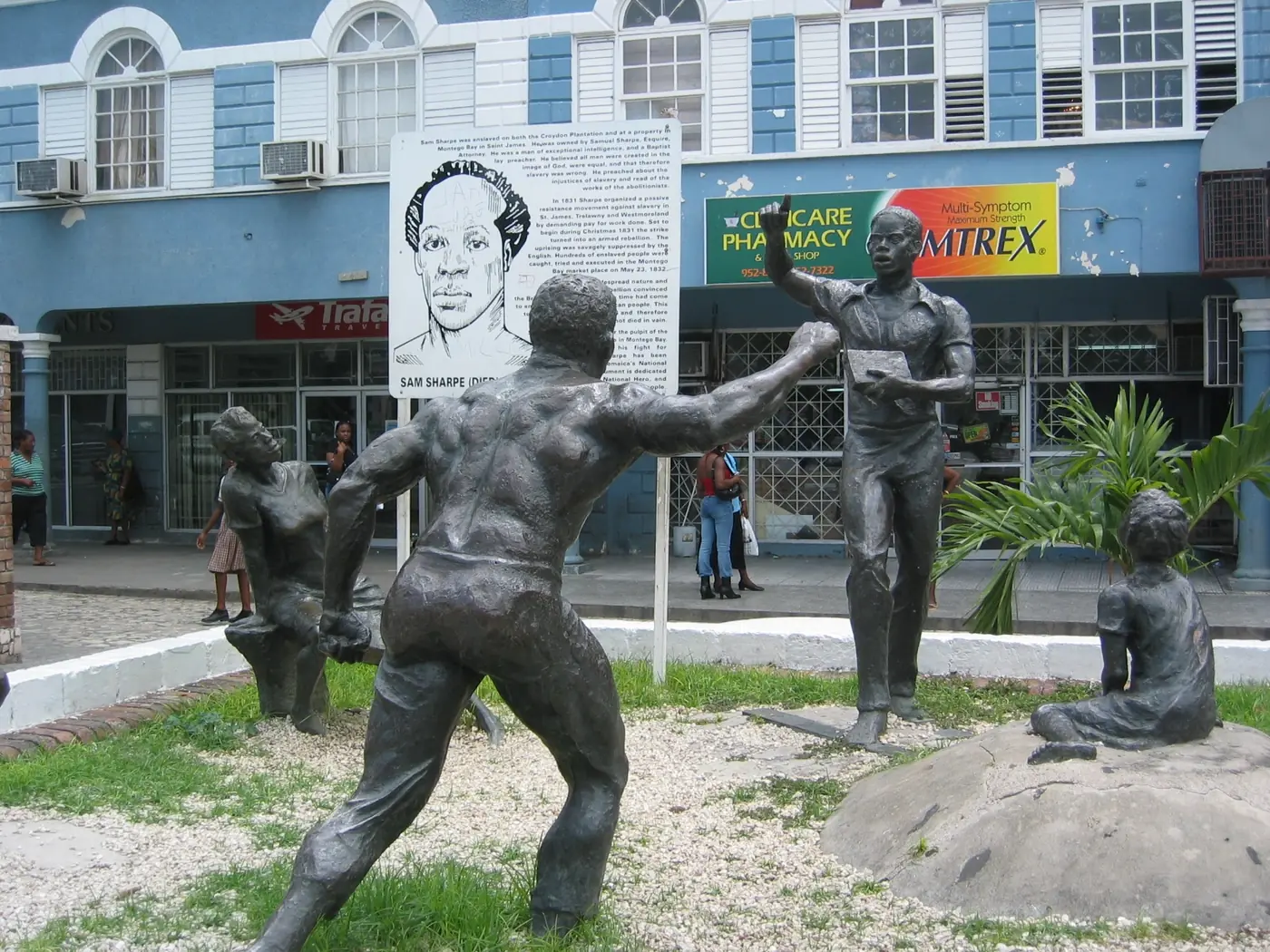

In brief
- Sam Sharpe was a leader of the native Baptists in Montego Bay who planned a strike by enslaved workers from Christmas Day 1831.
- The strike became an armed rebellion across the western parishes. It was put down by the first week of January, and Sharpe was hanged on May 23, 1832.
- Slavery in Jamaica ended in 1838. Sharpe was named a National Hero together with Nanny of the Maroons.
Who Sam Sharpe was
Samuel Sharpe was born in St James, around 1801 according to his government biography1. The government’s list of heroes gives his birth only as some time in the 1700s, so the year is not settled2.
He became a leader, a “daddy”, of the native Baptists in Montego Bay1. That mattered. Under slavery, religious meetings were the only organised activity enslaved people were allowed, so the chapels were where they could meet, talk and plan1.
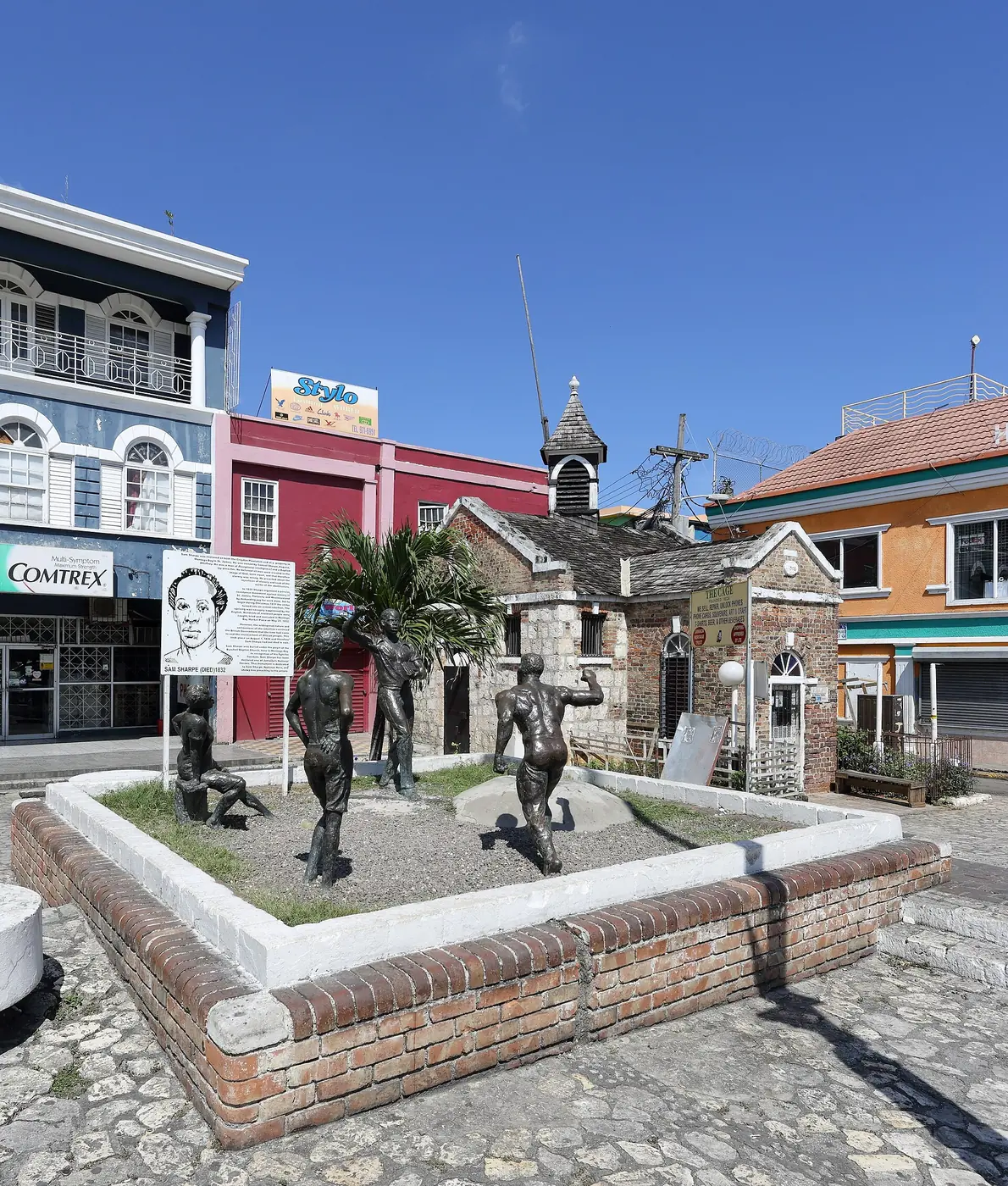

The plan: stop work at Christmas
In 1831 Sharpe worked out a plan of passive resistance. Enslaved workers would refuse to work from Christmas Day 1831 until their grievances were dealt with1.
It did not stay peaceful. On December 27, 1831, the great house on the Kensington Estate in St James was set on fire as the signal that the rebellion had begun. Armed rebellion and the seizure of property spread through the western parishes1.
How it ended
The uprising was put down by the first week of January. Fourteen white people died in it. More than 500 enslaved people died, most of them as a result of the trials that followed1.
Sharpe was hanged on May 23, 18321. Slavery in Jamaica was abolished in 18381, and Jamaicans mark the end of slavery every year on Emancipation Day.
Why he matters
The rebellion is the reason Sharpe is a National Hero. His plan began as a refusal to work, organised through the only kind of meeting the law allowed. The government’s biography names him as the rebellion’s main instigator1.
How Jamaica honours him
The Order of National Hero was conferred on Samuel Sharpe on March 31, 1982, by Government Notice 23 in the Jamaica Gazette, together with Nanny of the Maroons1. His bust stands with those of the other National Heroes in Emancipation Park, Kingston3.
All seven National Heroes are honoured at the Shrine in National Heroes Park, Kingston4. Jamaicans remember the heroes each October on National Heroes Day.
What the honour means
The Order of National Hero can go to anyone born in Jamaica, or who was a Jamaican citizen at the time of their death, who gave the country “service of a most distinguished nature”. A National Hero is styled The Right Excellent, and the order’s motto is “He built a city which hath foundations”2.
Timeline
Further reading
National Heroes
Jamaica Information Service · Government of Jamaica
The government's own short biography of each of the seven National Heroes, with dates. It is the record our hero pages start from.
Good for:Students and anyone checking a date or a name.
Sources
- Samuel Sharpe Jamaica Information Service
- Order of National Hero Jamaica Information Service
- Busts of National Heroes Unveiled in Emancipation Park Jamaica Information Service, June 20, 2018
- The ground where our heroes rest The Gleaner (Dr Lorenzo Gordon), August 9, 2026