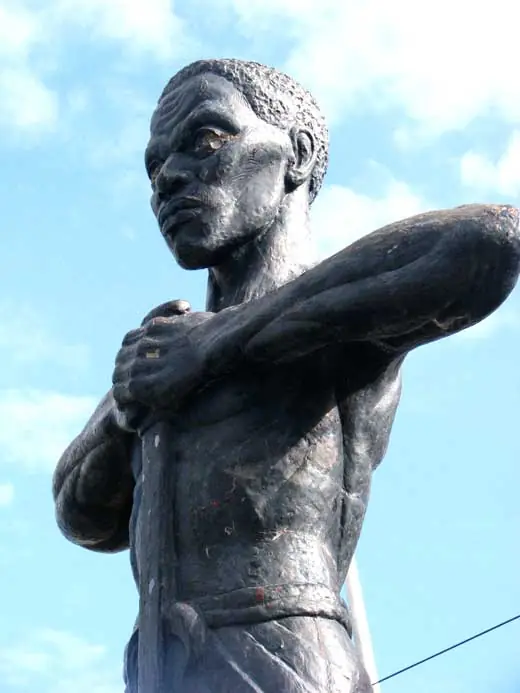

In brief
- Paul Bogle was a Baptist deacon in Stony Gut, a few miles north of Morant Bay in St Thomas.
- On October 11, 1865, he led a protest march to the Morant Bay courthouse. Nearly 500 people were killed in what followed, and Bogle was hanged on October 24.
- He was named a National Hero in 1969.
Who Paul Bogle was
Paul Bogle was born in St Thomas around 1822 and is believed to have been born free. He was a Baptist deacon in Stony Gut, a village a few miles north of Morant Bay1.
The government’s list of heroes describes him as a deacon of the Native Baptist Church at Stony Gut and dates his life from about 1822 to October 24, 18654.
He could vote, which was rare. When Bogle was eligible, the whole parish of St Thomas had only 104 voters1. He was a firm political supporter of George William Gordon1.
The march on Morant Bay
The government’s biography names poverty, injustice and low public confidence in central authority as the reasons Bogle led a protest march to the Morant Bay courthouse on October 11, 18651.
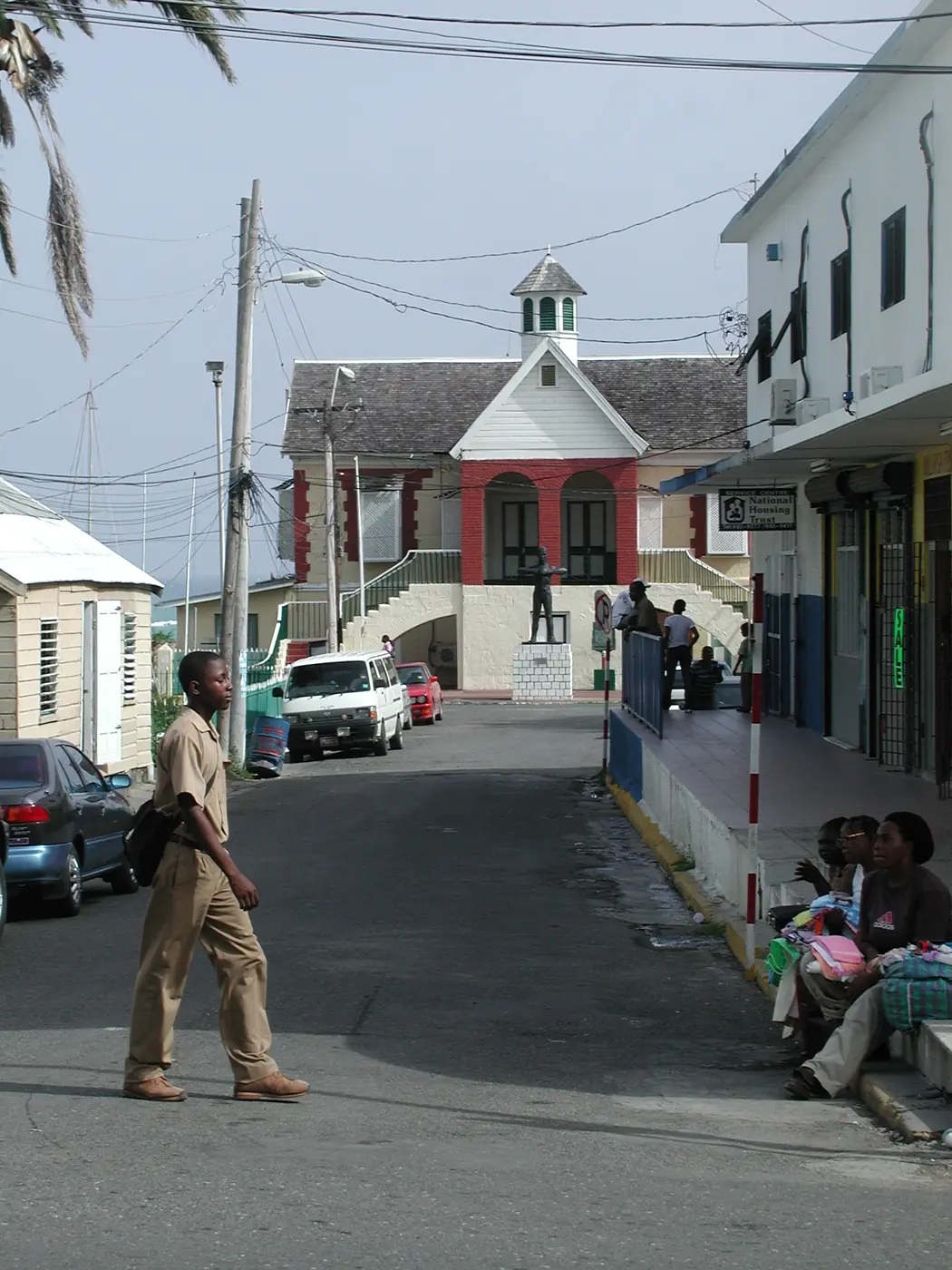

The march ended in a violent clash with official forces. In what followed, nearly 500 people were killed, and many more were flogged and punished1.
Capture and execution
Bogle was captured and hanged on October 24, 18651. Gordon, who had been arrested and tried by a court martial, had been executed the day before2.
Why he matters
The government’s biography credits Bogle’s demonstration with helping to bring fairer court practice and a change in the official attitude to the people’s social and economic needs1. He is remembered as a man who stood up for people with no vote and no voice, at the cost of his life.
How Jamaica honours him
Paul Bogle was conferred with the Order of National Hero in 1969, under the National Honours and Awards Act1. His bust stands with those of the other National Heroes in Emancipation Park, Kingston, where the Minister of Culture applauded its unveiling in 20183.
All seven National Heroes are honoured at the Shrine in National Heroes Park, Kingston5. Jamaicans remember the heroes each October on National Heroes Day.
What the honour means
The Order of National Hero can go to anyone born in Jamaica, or who was a Jamaican citizen at the time of their death, who gave the country “service of a most distinguished nature”. A National Hero is styled The Right Excellent, and the order’s motto is “He built a city which hath foundations”4.
Timeline
Further reading
National Heroes
Jamaica Information Service · Government of Jamaica
The government's own short biography of each of the seven National Heroes, with dates. It is the record our hero pages start from.
Good for:Students and anyone checking a date or a name.
Sources
- Paul Bogle Jamaica Information Service
- George William Gordon Jamaica Information Service
- Busts of National Heroes Unveiled in Emancipation Park Jamaica Information Service, June 20, 2018
- Order of National Hero Jamaica Information Service
- The ground where our heroes rest The Gleaner (Dr Lorenzo Gordon), August 9, 2026