
In brief
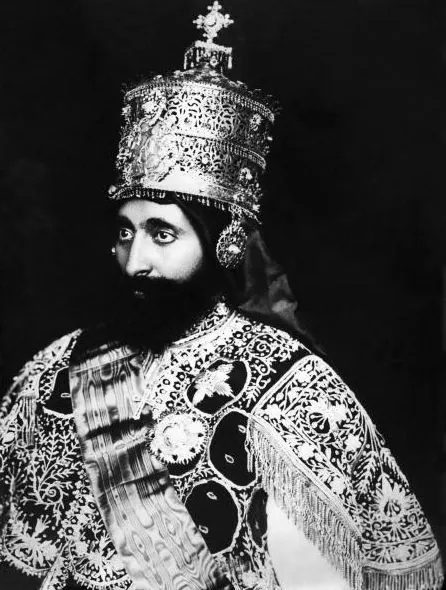
- Rasta is short for Rastafari, a faith and way of life that began in Jamaica in the 1930s. The name comes from Ras Tafari, the name Emperor Haile Selassie I of Ethiopia went by before he was crowned in 1930.
- Jah is the Rastafari name for God, and for Haile Selassie as the manifestation of God.
- Rastafari say I and I in place of me and you, to express the unity of all people with Jah and with each other.
- Many Rasta words have passed into everyday Jamaican speech, among them irie, ital, livity, overstand and one love.
Rasta is short for Rastafari, a faith and way of life that began in Jamaica in the 1930s, and it also means a person who follows it. Its words carry its beliefs, and many of them have passed into reggae and into everyday Jamaican speech.
What does Rasta mean?
The name comes from Ras Tafari, the name the Ethiopian ruler used before his coronation3. In 1930 he was crowned and renamed Emperor Haile Sellassie I, a name the Institute of Jamaica translates as “Might and Power of the Holy Trinity”1. For Rastafari, that coronation is seen as a revelation2.
In Jamaica, Leonard Howell preached and sold pictures of Ras Tafari in 1933, and he is remembered today as the first Rasta2. The Institute of Jamaica’s exhibition on the faith also gives a section to Black liberation and Marcus Garvey2. The Smithsonian describes Rastafari as people who regard the Ethiopian emperor as the reincarnation of Christ3.
Jah meaning: who is Jah?
Jah is God. The Smithsonian’s glossary describes Jah as a name for Emperor Haile Selassie as the manifestation of the Godhead3, and the movement’s founders proclaimed “Jah Rastafari!”2. In everyday Jamaican speech, Jah know means “God knows”, said to swear something is true. Haile Selassie himself is often called Selassie I, with the Roman numeral read as the word I.
I and I meaning
I and I takes the place of me and you7, and it can also mean we or us. The idea is that the word I keeps a person aware of their connection to Jah, while me does not7. The use of I expresses the unity and interconnectedness of all people as incarnations of Jah7.
The same thinking reshapes other words. Some Rastafari say I-ceive for receive, for example7, and overstand for understand, because real understanding lifts a person up. This way of speaking, sometimes called dread talk or Iyaric, is a conscious construction of language7.
Irie meaning
Irie means good, pleasing and at peace. It describes a feeling and a situation at once, and it works as a greeting, an answer to “how are you?” and a word of approval. It is one of the best-known words to come out of Rastafari and reggae.
Ital, livity and the Rasta way of life
Ital is the Rastafari way of eating. The Smithsonian defines it as a saltless and vegetarian diet3, and the Institute of Jamaica’s exhibition describes Rastafari ital cuisine alongside natural medicine2.


Livity is the whole of that way of life: what a person eats, how they speak and dress, and how they treat others, taken as an expression of the divine within. Dread names a Rastafari who wears dreadlocks, and natty describes the locks themselves.
Babylon and Zion
Babylon is the oppressive system. The Smithsonian describes it as the historically white European colonial and imperialist power structure3, and in Jamaican speech it often means the police. Zion is its opposite: Africa, and Ethiopia in particular, as the ancestral homeland3. To bun fire on something is to condemn it.
Nyabinghi
Nyabinghi names the island-wide religious gatherings of Rastafari3, with drumming and chanting at their heart, and the oldest order of the faith.
The word may have reached Jamaica through an article by the Italian journalist Frederico Philos, first published in Italy in 1934 and printed in the Jamaica Times in December 193565. It described a secret “Nya-Binghi” order in Africa devoted to killing white farmers, and claimed Haile Selassie had been made its head6. The article was Fascist propaganda, written to back Mussolini’s ambitions in the Horn of Africa a few months after Italy invaded Ethiopia5. Early Rasta leaders took up the name and gave it a meaning of their own54.
The Nyabinghi ritual had emerged among Jamaican Rastafari by the 1940s4, and the Nyahbinghi Order grew out of the Dreadlocks movement in the 1950s2.
One love and other Rasta greetings
One love expresses unity and shared humanity. Jamaicans use it as a warm sign-off or blessing, sincere rather than throwaway. Other greetings from the same tradition include blessed love, bless up and give thanks, and Ises means praises given to Jah.
Rasta words in reggae
A connection grew between reggae and the Rastafari movement8, which is why these words fill so many songs. Our guide to dancehall lyrics shows how they turn up in dancehall too, and every word is in the Rastafari and Iyaric category of the dictionary.
Timeline
- 1930 Ras Tafari is crowned Emperor Haile Selassie I of Ethiopia 1
- 1933 Leonard Howell preaches and sells pictures of Ras Tafari in Jamaica 2
- December 7, 1935 The Jamaica Times prints Frederico Philos's article on a "Nya-Binghi" order 5
- 1940s The Nyabinghi ritual emerges among Jamaican Rastafari 4
- 1950s The Nyahbinghi Order emerges from the new Dreadlocks movement 2
- 1966 Haile Selassie visits Jamaica, and believers crowd the airport 2
Common questions
-
What does Rasta mean?
Rasta is short for Rastafari, and it also means a person who follows the faith. The name comes from Ras Tafari, the name Haile Selassie I of Ethiopia used before his coronation in 1930.
-
Who is Jah?
Jah is the Rastafari name for God. The Smithsonian's glossary describes it as a name for Emperor Haile Selassie as the manifestation of the Godhead.
-
Why do Rastafari say I and I?
I and I replaces me and you. It expresses the idea that all people are one, and are all connected to Jah, so no one is made into an object.
-
What does irie mean?
Good, pleasing and at peace. Irie came out of Rastafari and reggae and is now everyday Jamaican for feeling fine or a situation being right.
-
What does one love mean?
Unity and shared humanity. Jamaicans use it as a warm sign-off or blessing, closer to a benediction than a casual goodbye.
Sources
- Rastafari Institute of Jamaica, Rastafari virtual exhibition
- Rastafari exhibition, sections Institute of Jamaica, Rastafari virtual exhibition
- Dread History: The African Diaspora, Ethiopianism, and Rastafari (terminology) Smithsonian Education
- Dread History: The African Diaspora, Ethiopianism, and Rastafari Smithsonian Education
- Report on the Nyabinghi Order by Frederico Philos Derek Bishton
- Nyabinghi Wikipedia
- Expression and Worship (Rastafari) RE:ONLINE, Culham St Gabriel's
- Reggae Jamaica Information Service