
In brief
- A Jamaican Christmas means sorrel, Christmas cake, ham and rice and gungo peas, and a house cleaned and painted before the day.
- Grand Market fills the parish capitals from early on Christmas Eve into Christmas morning.
- Jonkonnu, a masquerade first danced on the holidays given to enslaved Africans, is one of the oldest Christmas customs, though it is now seen mostly at special events.
- The season runs on past Christmas Day, with the National Pantomime on Boxing Day and watch night services on New Year's Eve.
A Jamaican Christmas starts long before December 25. The Jamaica Information Service lists the signs that the season has come: the Christmas breeze, carols, the poinsettia in bloom, gungo peas, Christmas cake and sorrel3. Christmas has been part of the island’s calendar since the 17th century3.
Houses get ready first. Families clean out the house in Christmas week, paint it inside and out, and buy new curtains, bedding and mats1. In the country, a family that cannot afford paint uses whitewash1.
Christmas food and drink in Jamaica
Sorrel is the Christmas drink. It is made by steeping the red calyx of the sorrel plant in boiling water, then sweetening it and flavouring it with ginger, cloves, and rum or brandy1. It used to be cooled in stone or earthenware jars1.
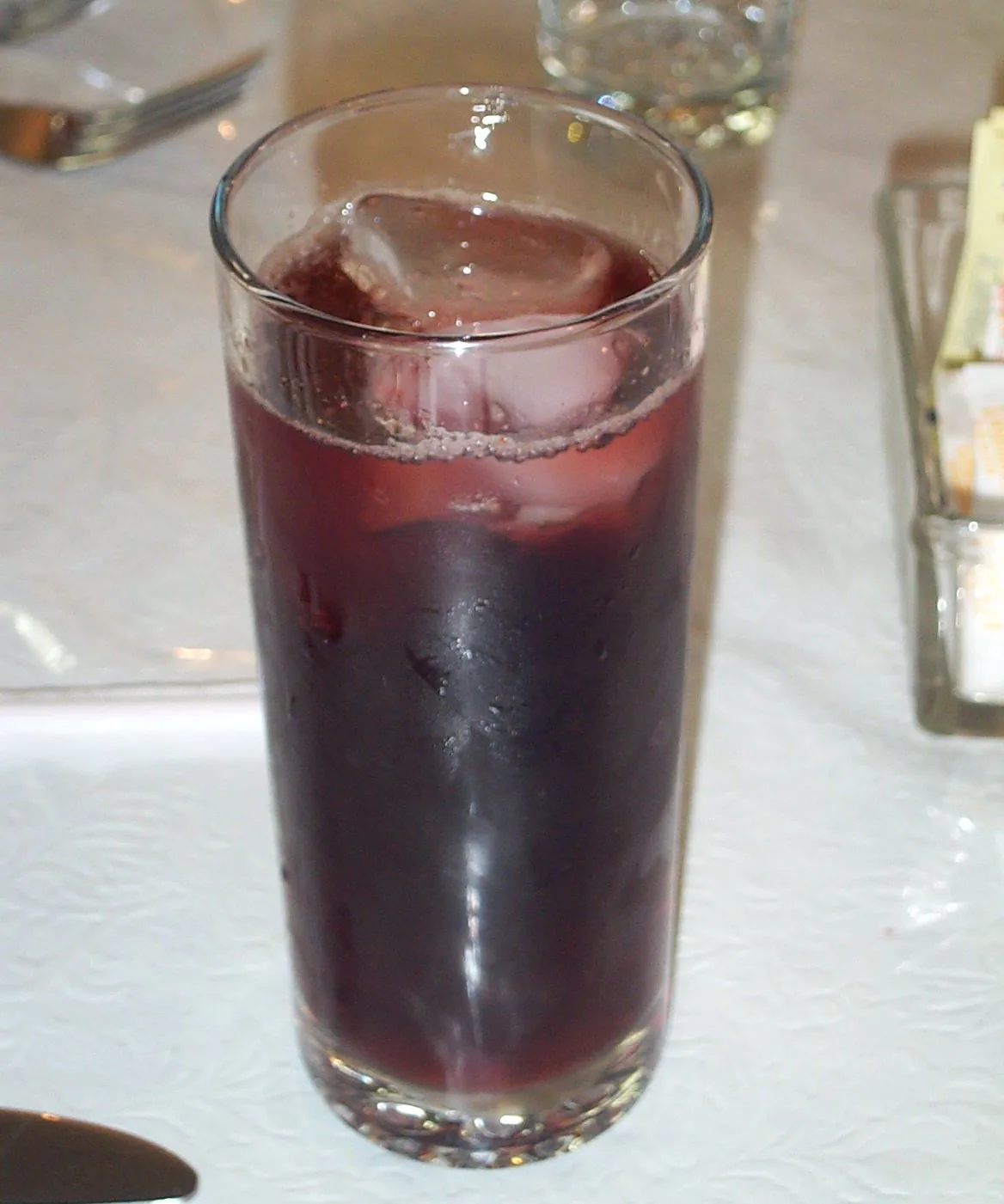

Christmas cake is a fruit cake with a Caribbean touch. The fruit and spices soak in rum for weeks or months before Christmas, and the cake is often served with a glass of cold sorrel1. The National Library calls the cake and the Christmas pudding a European dish made Jamaican by the rum and wine2.
Ham is cooked on Christmas morning after a night in its marinade, then dressed with pineapple and cherries1. Under slavery, ham was smoked over a slow fire in large baskets called kreng-kreng and seasoned with pimento2.
The National Library calls rice and peas made with gungo peas essential to the Christmas Day menu1. Curry goat, introduced by Indians, is another Christmas favourite1. Then there are the drinks: eggnog, which some people make with stout, carrot juice, and the rum punch that Europeans brought to the colonies1.
Grand Market on Christmas Eve
Grand Market, also called Christmas Market, runs from early on Christmas Eve into Christmas morning1. It is held in most parish capitals, with deals on clothes, food, decorations and things for the house1.
The National Library traces it to slavery, when enslaved people were given days off from the cane fields. They spent them singing and dancing and selling things they had made1.
Jonkonnu, the Christmas masquerade
Jonkonnu, which the British called John Canoe, is one of the oldest dance forms in Jamaica4. It was danced on the three holidays enslaved Africans were given: Christmas Day, Boxing Day and New Year’s Day4. Its steps mix African traditions with European ones4.
A band has its own cast. The Jamaica Information Service names the King and Queen, Cow Head, Horse Head, Pitchy-Patchy, Red Indians and Belly Woman4, and the National Library adds the Devil1. The music comes from a bamboo fife, bass and rattling drums, shakas and graters4.
Bands today are smaller than the bands of the 1800s4, and the National Library says the custom is now seen mostly at special events1.
Sets, best clothes and New Year’s Day
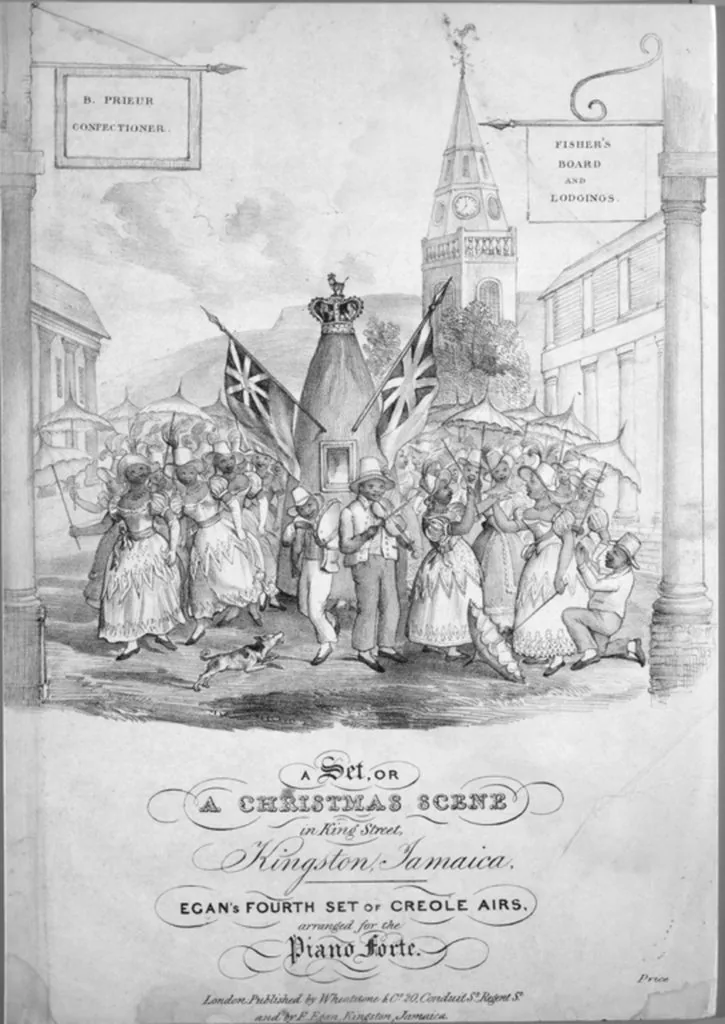
Dressing up is an old part of a Jamaican Christmas. On Christmas Day in the days of slavery, people wore their best clothes with coral necklaces and bracelets5. On New Year’s Day the attraction was the Blue and Red Set Girls: each set had a Queen, sometimes a King, and they paraded and danced until nightfall5. The picture at the top of this page, a lithograph from about 1840, is titled “A Set, or A Christmas Scene in King Street, Kingston, Jamaica”.
Pantomime on Boxing Day
The National Pantomime usually opens on Boxing Day, December 261. The National Library traces the tradition to the late 1800s, when soldiers at Port Royal staged pantomimes. The English kind began in 1941 with “Jack and the Beanstalk” at the Ward Theatre, led by Greta and Henry Fowler, and the Jamaican kind began in 19431.
Church, carols and watch night
Church services, concerts and carol singing mark the season, along with all-night prayer meetings2. On New Year’s Eve many people go to a watch night service. The Gleaner reports the belief, held by most Jamaicans, that it is best for the new year to catch you in church at a watch night service6.
Christmas greetings in Patois
Merry Christmas an a bright New Year.
Merry Christmas and a happy New Year.
MER-ri KRIS-mus an a BRAIT nyuu YEER
Walk good an enjoy.
Take care and enjoy yourself.
WAAK GUD an en-JOY
The celebrations section of the phrasebook has more lines for parties and good wishes.
Common questions
-
What do Jamaicans eat and drink at Christmas?
Sorrel and Christmas cake are the two that say Christmas most, along with ham, rice and gungo peas and curry goat. Eggnog, carrot juice and rum punch are on many tables too.
-
What is Grand Market in Jamaica?
Grand Market, also called Christmas Market, is the shopping and street celebration in the parish capitals that runs from early on Christmas Eve into Christmas morning.
-
What is Jonkonnu?
Jonkonnu, which the British called John Canoe, is a Christmas masquerade of costumed characters such as Pitchy-Patchy, Cow Head and Horse Head, danced to fife and drums. It began on the holidays given to enslaved Africans.
-
How do you say Merry Christmas in Jamaican Patois?
The full greeting is Merry Christmas an a bright New Year. It sounds like MER-ri KRIS-mus an a BRAIT nyuu YEER.
Sources
- We nuh have no snow: Christmas JA National Library of Jamaica
- History Notes: Information on Jamaica's Culture and Heritage (Christmas Jamaican Style) National Library of Jamaica
- 25 Days of Christmas: 1st Day of Christmas Jamaica Information Service
- 2nd Day of Christmas: Jonkonnu Jamaica Information Service
- 3rd Day of Christmas: Elaborate Dressing and Merriment Jamaica Information Service
- Watch night observation in the church The Gleaner